.webp)
Community, Faith, and Presence Strengthened through Alliance
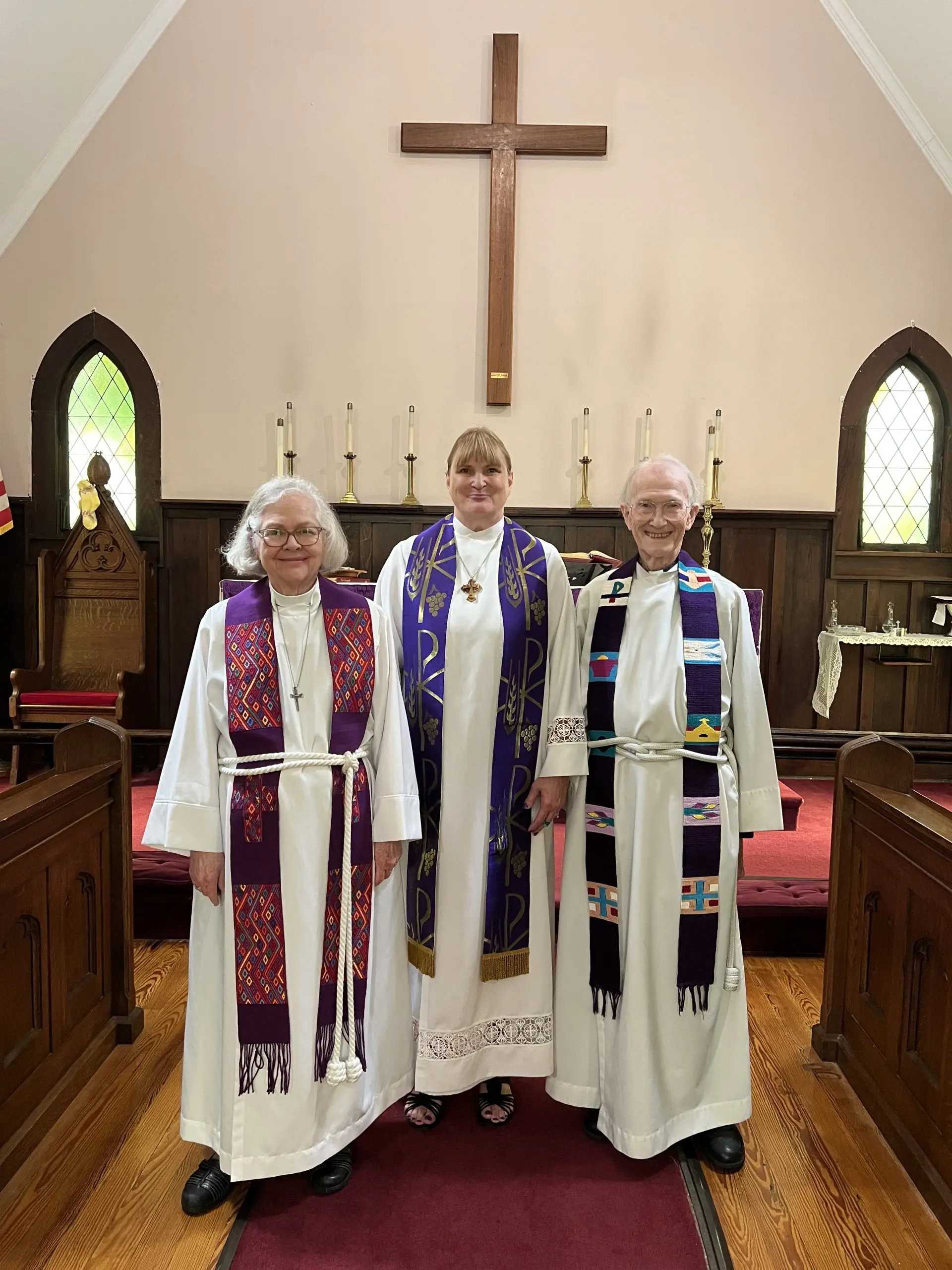
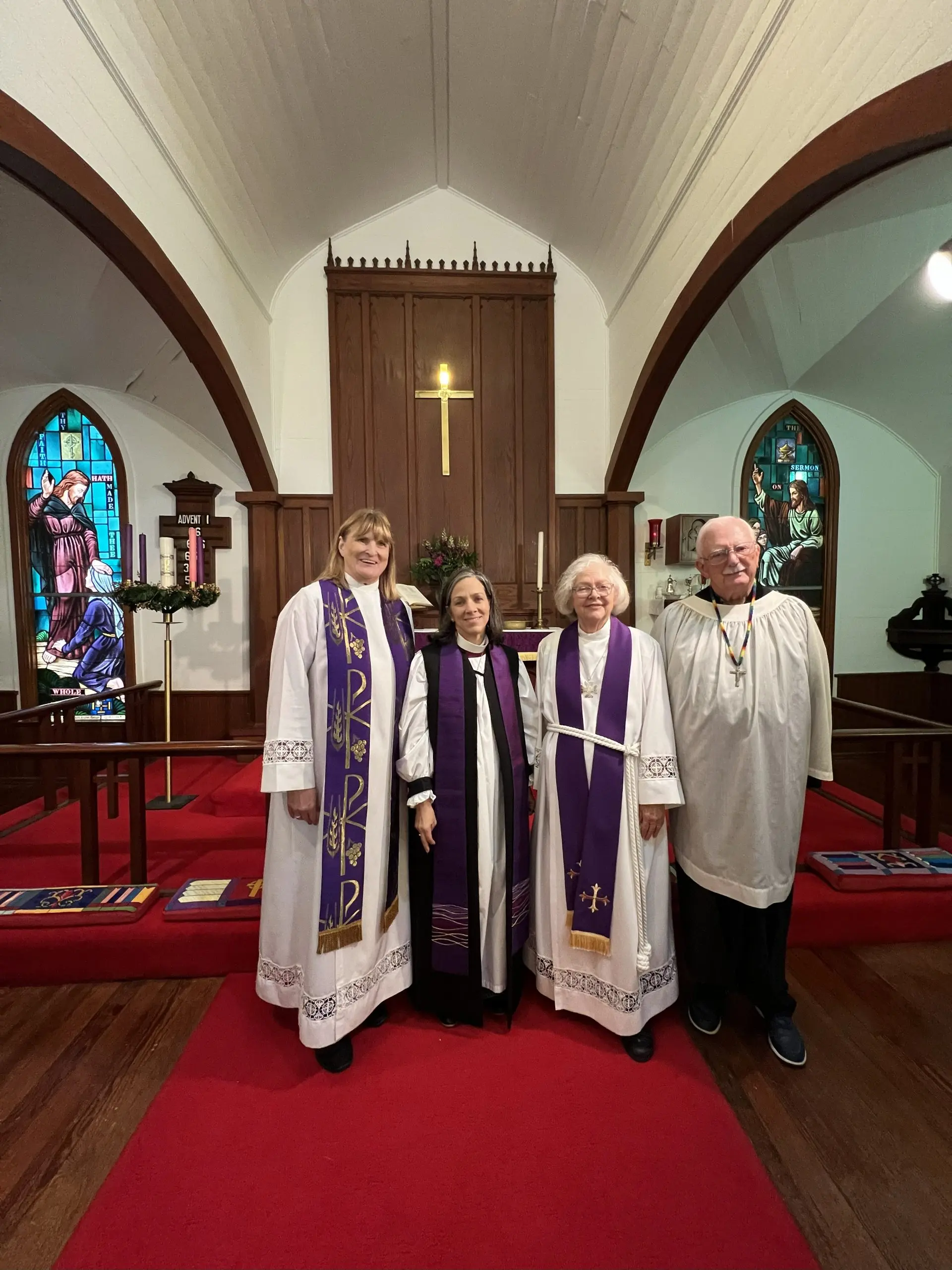
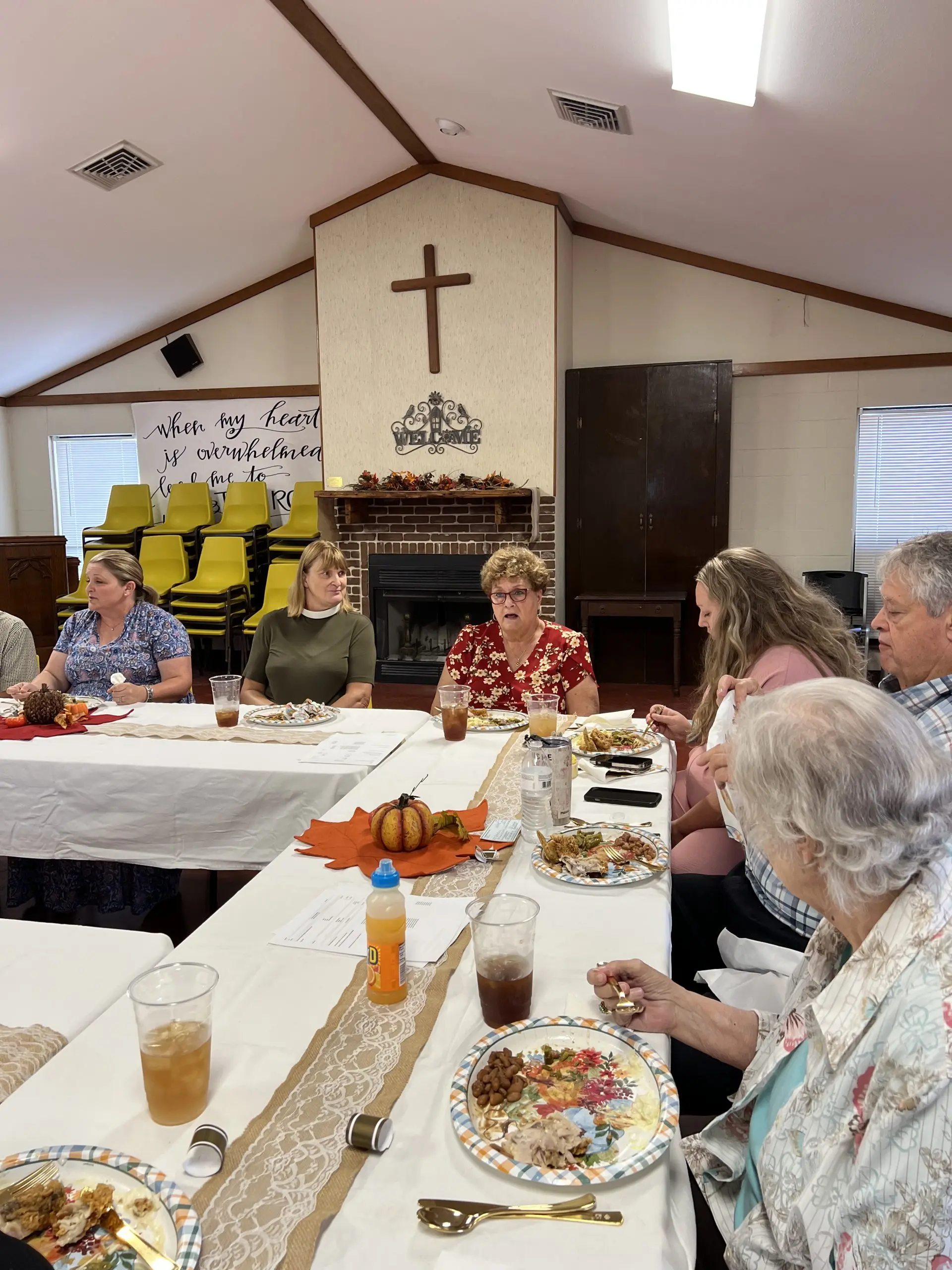
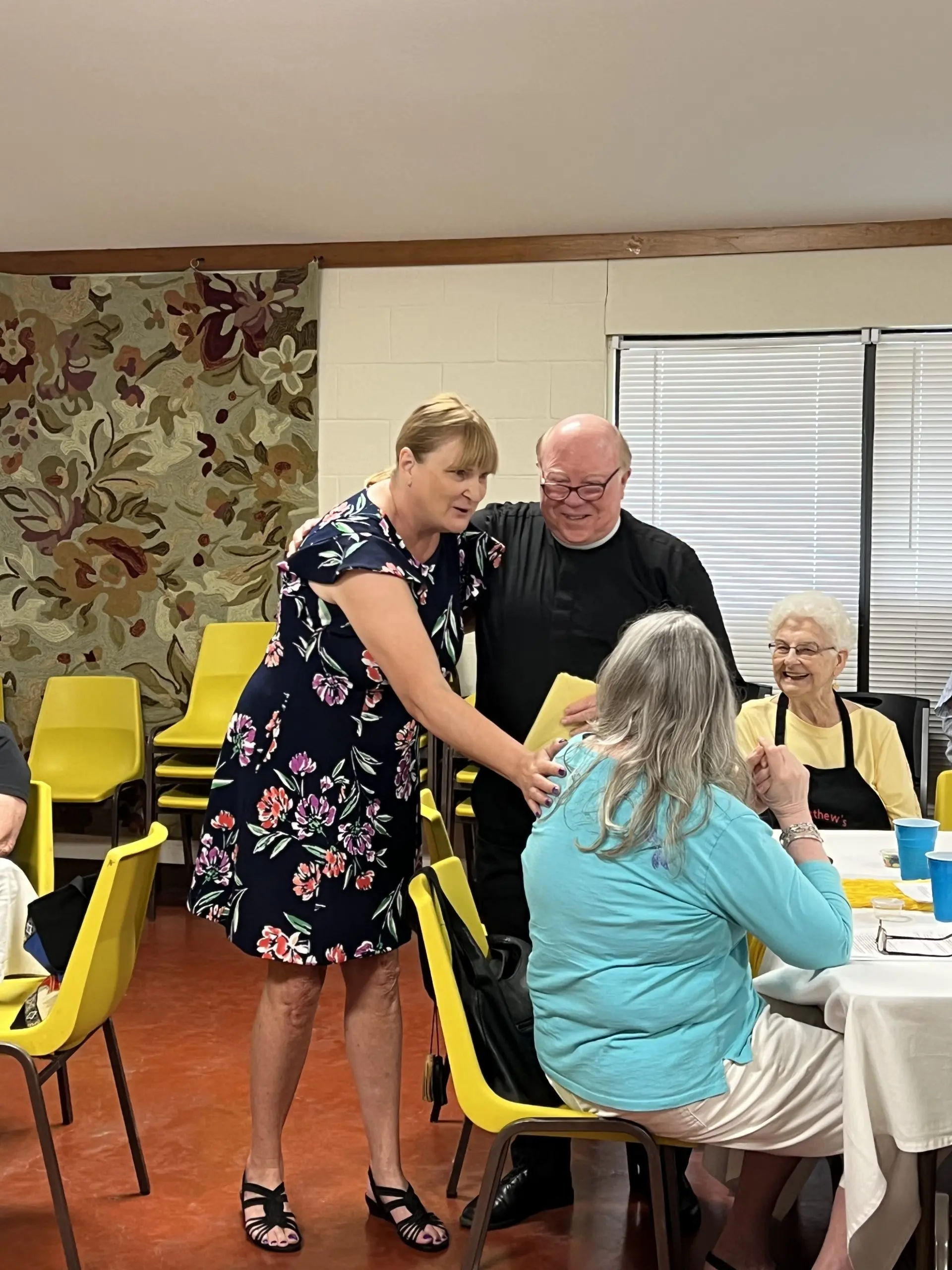
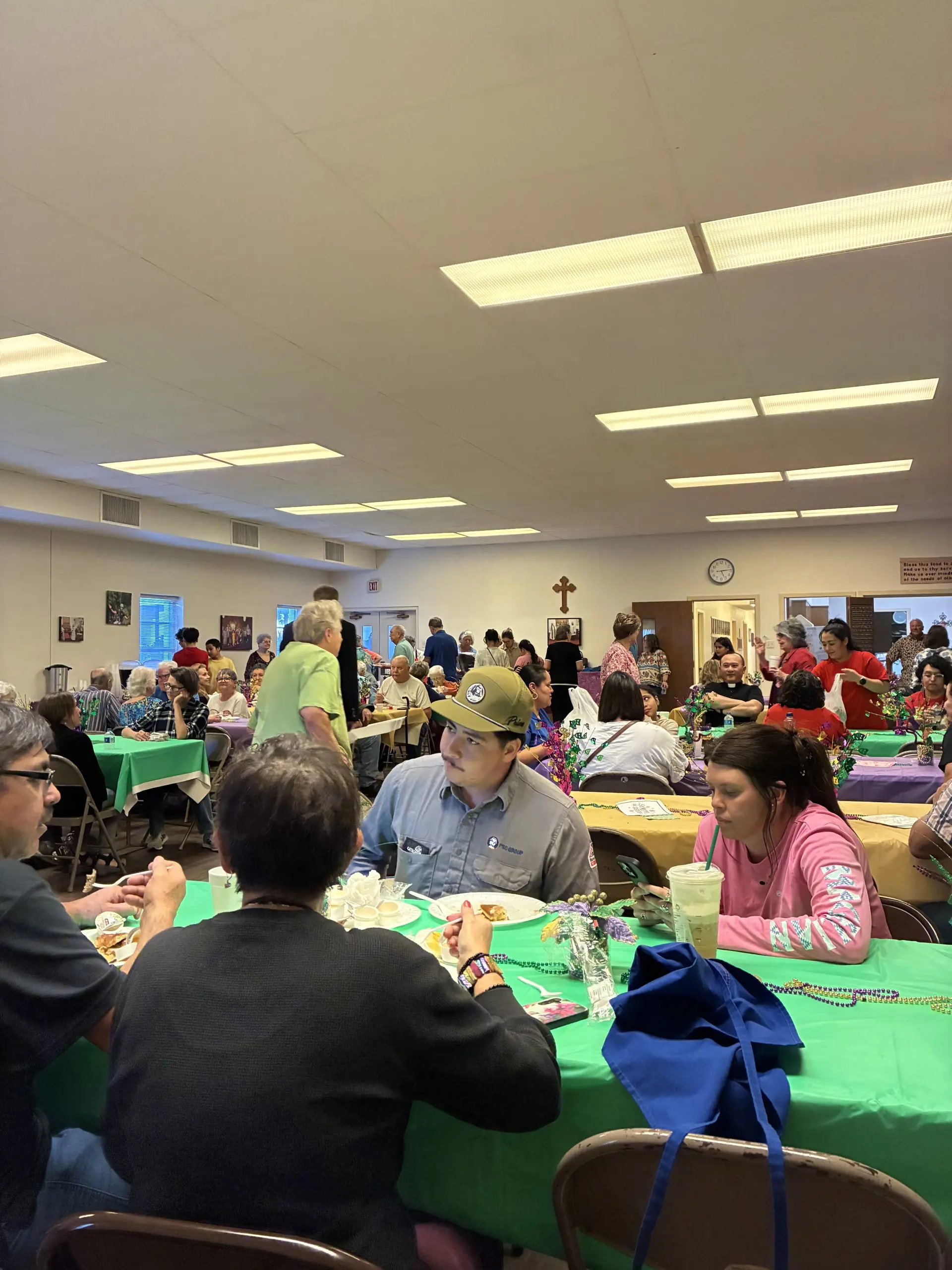
The Eastern Partners in Ministry (PIM) of the Diocese of West Texas is demonstrating how small church congregations in the Eastern Convocation of the diocese have been strengthened through an alliance that unites congregations - living and working together in a covenant relationship to bring the healing message of Our Lord Jesus Christ to our part of His world.
Organized in 1995, PIM originally included seven congregations in the partnership. Participation fluctuated anywhere from six to eight church participants and now stands at six.
The partnership is a blessing to these congregations who do not have the financial resources to employ a full or even part-time priest solely dedicated to their church. Through PIM, the congregations are provided a supply priest who rotates between the parishes on a weekly basis to provide spiritual leadership to each of the congregations.
In a recent article, Jim Sartwell, Bishop’s Warden at St. Matthew’s in Kenedy, shared his perspective on the value of the PIM alliance. “PIM reminds me that “we are the church.” Our forebears saw a challenging future and sought a collective solution that would both aid its members and make us a part of a larger family, one that is not exclusive to the place we choose to live. While we have dedicated clergy, we are by ourselves most of the time. This model has unquestionably developed lay leadership and fostered true friendships across a nearly 100-mile circle. This model might not fit every similar situation. It requires trust, submission to the betterment of the group, and a sincere belief that we are stronger together than we are apart. It’s not simply the answer to a challenging financial situation or declining church membership; it is a covenant for mutual provision that allows us, empowered by the Holy Spirit, a greater opportunity to spread God’s Good News of salvation and reconciliation through Jesus Christ. And it sure works for us.”
Click here to read the full article.
PIM is currently recruiting for a Canon Missioner. To learn more about the position and how to apply, click here and contact the Rev. Mike Besson, Archbishop of the Diocese of West Texas if interested in learning more.
Eastern Partners in Ministry Congregations
Trinity Episcopal Church, Edna
The first reference to an Episcopal Church in Edna Texas dates to 1884. At this time, worship was conducted once per month in the Presbyterian Church – with a parish family of 26 individuals. In 1887, the “Ladies Parish Guild” was formed who promoted many fundraising social gatherings such as ice cream socials, barbeques, and dinners. With the funds raised from these gatherings the first Episcopal Church building was constructed and consecrated in 1899. The records show the church as an unnamed congregation in the Council Journal until 1903 – when it was formally recognized at Council.
Trinity can be described as a small, dedicated congregation which honors scripture, embraces tradition, has a strong willingness to work and is unquestionably accepting of others.
St. Stephen’s Episcopal Church, Goliad
Twenty-four years after the 1836 surrender and massacre of the Texian forces at Presidio la Bahia, an Episcopal mission was started in Goliad. Part of the early Spanish mission chain in Texas, Goliad was founded in 1749 and in 1829 Presidio la Bahia was granted the name of Goliad. In 1860, an Episcopal Church mission was temporarily organized in Goliad, with services held more regularly beginning in 1861. In 1885 The first church building was consecrated.
St. Stephen’s Church can be described as a small, welcoming congregation open to all, encouraging a questioning attitude and with strong hopes for growth.
St. James Episcopal Church, Hallettsville
The congregation of St. James, Episcopal Church was organized in 1875 when General Arthur Pendleton Bagby and his wife, Frances asked the missionary clergyman, Rev. Thomas J. Morris of Columbus, TX to come and baptize their six children. In 1876, the congregation was accepted into the Diocese of West Texas. The current sanctuary was built in 1967, made possible largely by generous bequests.
St. James can be described as a small, dedicated congregation who have diverse religious backgrounds and are eager to grow, thrilled with newcomers and visitors, and who are always willing to help when the need arises.
St. Matthew's Episcopal Church, Kenedy
The first services of St. Matthew Episcopal Church, Kenedy, Texas were held in 1899 in the Methodist Church. There were seven communicants and two non-communicants. By 1905 there were “some thirty communicants”. In September of1913, the church was made an Associate Mission. On Easter Sunday, April 25, 1916, the first services were held in a new church building, blessed by Bishop Capers. The congregation consisted of 44 communicants and 60 baptized persons. In 1956, St. Matthew’s was elevated to parish status at Annual Council. By 1960, St. Matthew’s no longer functioned as a parish and could no longer afford a full-time rector. In 1962, St. Matthew’s once again became a full-time Mission of the Diocese.
St. Matthew’s can be described as a fun-loving friendly church in which all members work together to accomplish the needs of the church. The church is tight in adherence to the gospel and liturgy but loose enough to adapt to anything else.
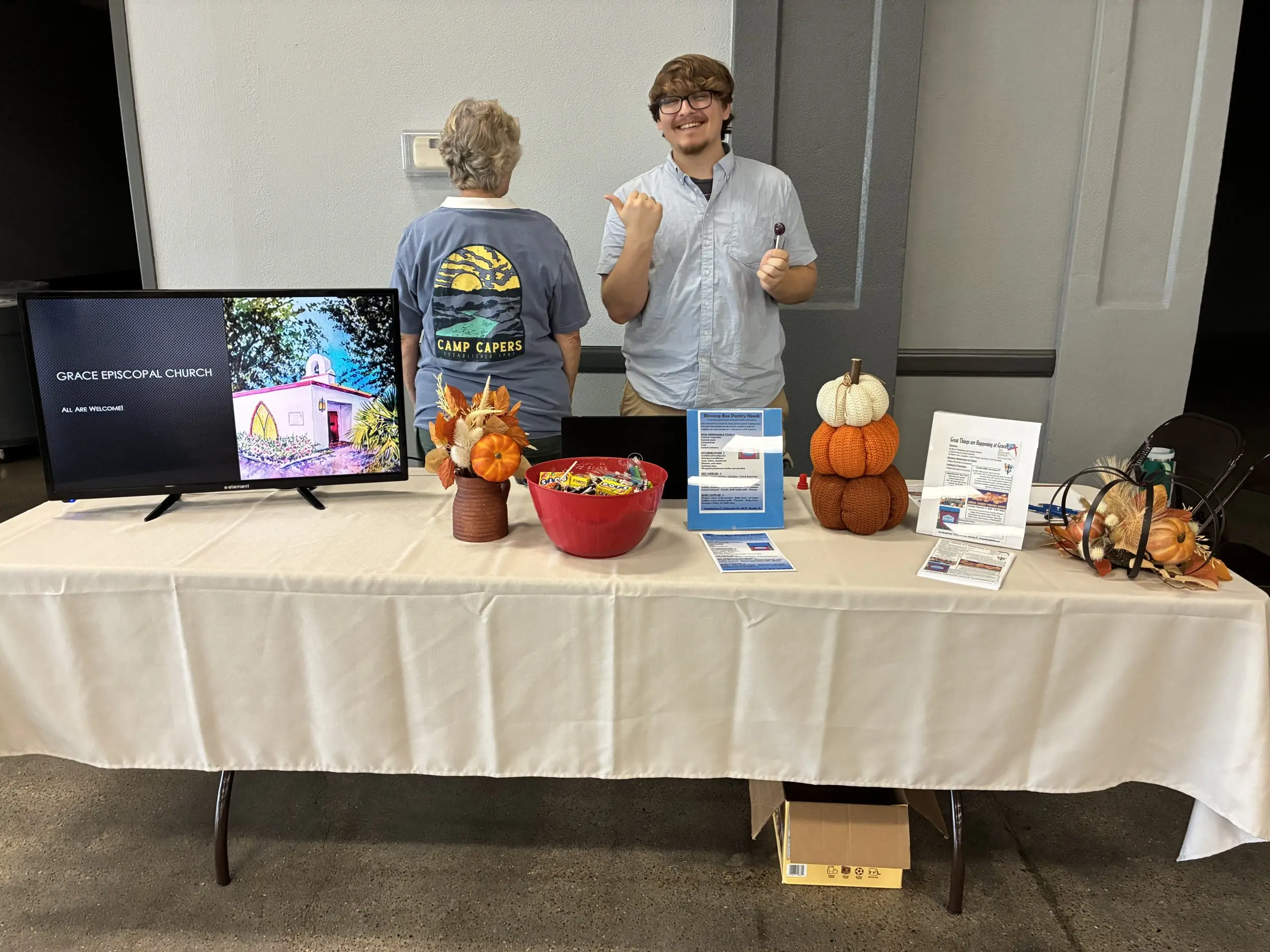
Grace Episcopal Church, Port Lavaca
While the Rev. Henry Niles Pierce was serving as rector of Christ Church, Matagorda, the first Episcopal Church in Texas, he reached out beyond his own parish to officiate in Port Lavaca and Indianola. It was under his guidance that small congregations in both towns were organized in 1853. Through the years, epidemics and hurricanes resulted in re-organizations and re-constructions. A third edifice for Grace Church, Port Lavaca, was completed in 1949 and dedicated on February 6, 1949 by Bishop Jones.
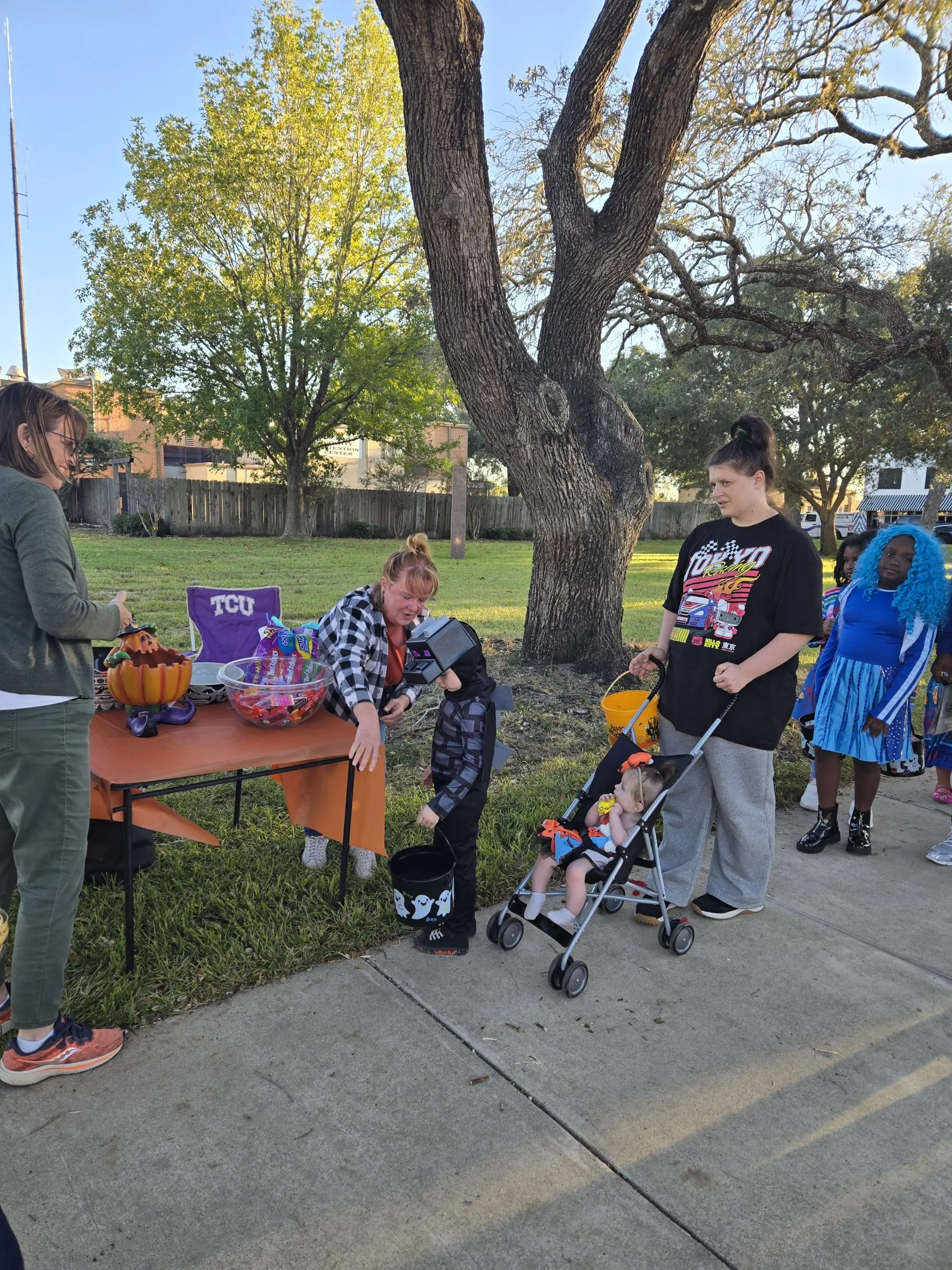
Grace is a community which focuses on bringing people together in worship in any language. The congregation focuses on peace, love, and understanding. The Grace community is willing and wanting to help those in need with a strong desire to share the church’s close-knit family with our community.
Episcopal Church of the Ascension, Refugio
The Church of the Ascension was established in 1940. Originally organized as an Episcopal mission, the church has served the local community for decades from its permanent location. The church derives its name from the original Spanish Mission, Nuestra Senora del Refugio (Our Lady of Refuge).
Click here to visit the PIM website and learn more about each of these historic churches and upcoming events and news.